
Reviving the Land
Comprehensive Soil Restoration Solutions
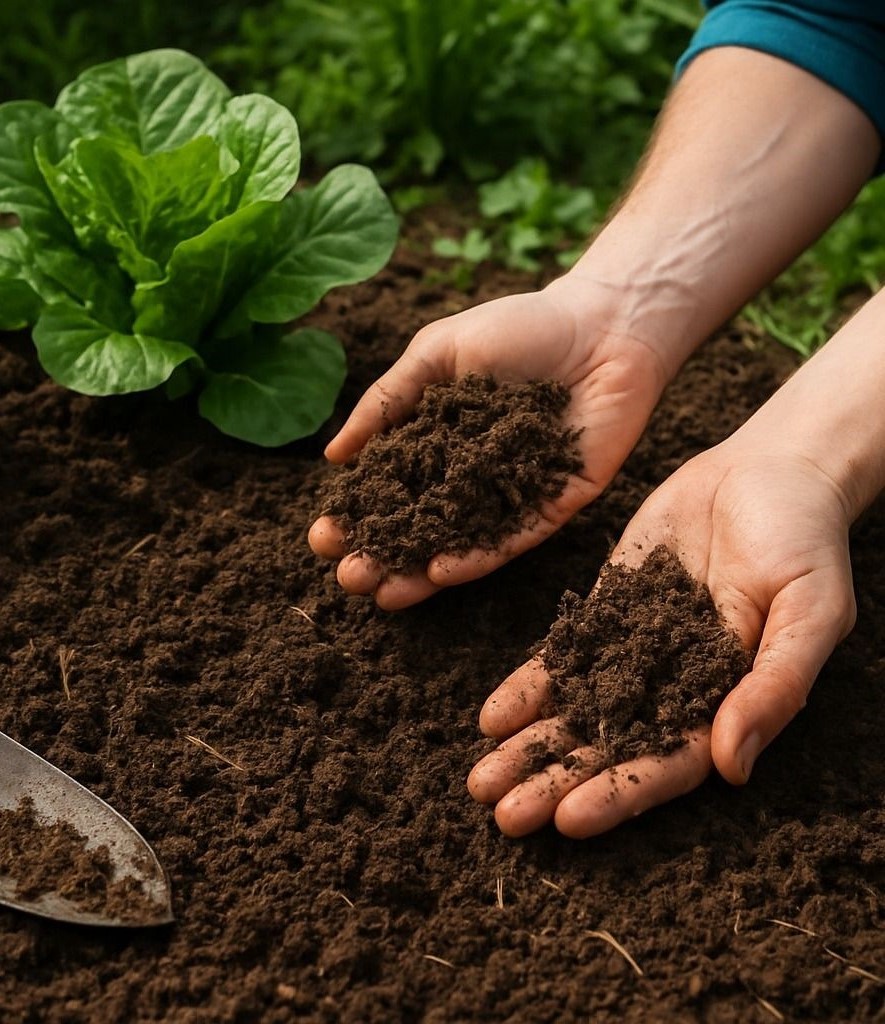
Our soil restoration services help farmers and landowners rebuild healthy, fertile soils that support sustainable agriculture and ecosystem resilience. By using natural soil amendments, crop rotation strategies, and regenerative practices, we improve soil structure, enhance nutrient content, and restore microbial biodiversity. These solutions prevent erosion, increase water retention, and restore degraded lands, ensuring long-term productivity and environmental stability. Our experts provide guidance, training, and resources to help farmers implement effective soil restoration strategies that are both ecologically sound and economically viable.
Service Benefits
Key Benefits of Soil Restoration
Rebuilt Soil Layers
Enhancing soil structure and depth to allow better root development, water infiltration, and retention. This ensures a strong foundation for crops to thrive over the long term. By improving aeration and reducing compaction, crops can absorb nutrients more effectively, leading to healthier plants and higher yields. These improvements also increase soil resilience against extreme weather.
Restored Nutrients
Naturally replenishing essential minerals and organic matter to restore fertility. Supports microbial life and plant health, reducing dependency on chemical fertilizers. Regular monitoring ensures nutrients remain balanced and productive. Incorporating green manures and compost also enhances soil biodiversity and boosts long-term productivity.
Controlled Erosion & Water
Preventing soil erosion and improving water retention through cover crops, mulching, and contour farming. Protects fertile topsoil, increases groundwater recharge, and ensures consistent crop growth even in challenging conditions. These measures also reduce nutrient runoff, enhance moisture availability, and support resilient farming systems under variable climate conditions.
Service Expertise
Soil Restoration Insights
Our soil restoration solutions are designed to rebuild healthy, fertile soils, enhance nutrient content, and restore ecosystem balance. By combining regenerative practices with scientific techniques, we support farmers and landowners in creating productive, resilient, and sustainable agricultural systems.
Rebuilding Soil Layers
Restoring compacted or degraded soil layers using organic amendments and aeration techniques to improve root penetration, water absorption, and overall soil fertility for long-term productivity.
Boosting Nutrient Balance
Enriching soils with natural fertilizers, green manures, and bio-stimulants to restore nutrient balance, enhance microbial life, and ensure sustainable crop growth without relying on chemical inputs.
Preventing Erosion & Managing Water
Implementing cover crops, contour farming, and mulching strategies to prevent soil erosion, improve water retention, and protect valuable topsoil while maintaining long-term land sustainability.
Key Insights
Maximizing Soil Restoration Impact
Our soil restoration solutions are designed to rebuild fertile, healthy soils, improve nutrient availability, and restore ecological balance. By applying regenerative techniques such as organic amendments, green manures, and deep soil aeration, degraded lands can regain productivity and sustainability. We focus on preventing erosion, enhancing water retention, and promoting microbial activity to strengthen soil ecosystems. Additionally, our guidance empowers farmers and landowners to implement practical restoration strategies that are both environmentally sound and economically viable, ensuring long-term soil health and productive agricultural systems.
- Rebuilds soil structure and improves porosity for better root growth.
- Replenishes essential nutrients naturally for sustainable fertility.
- Prevents erosion and enhances water retention in degraded soils.
- Supports microbial activity and promotes healthy soil ecosystems.
- Provides practical guidance for implementing long-term soil restoration practices.
Soil Restoration FAQ
Answers to Your Top Questions
Discover how soil restoration techniques can revitalize degraded lands and improve agricultural productivity. Our FAQ addresses key insights on rebuilding soil structure, replenishing nutrients, and managing water effectively for long-term land sustainability. Learn practical strategies to restore fertility, prevent erosion, and enhance ecosystem health while maintaining productive farmland.