
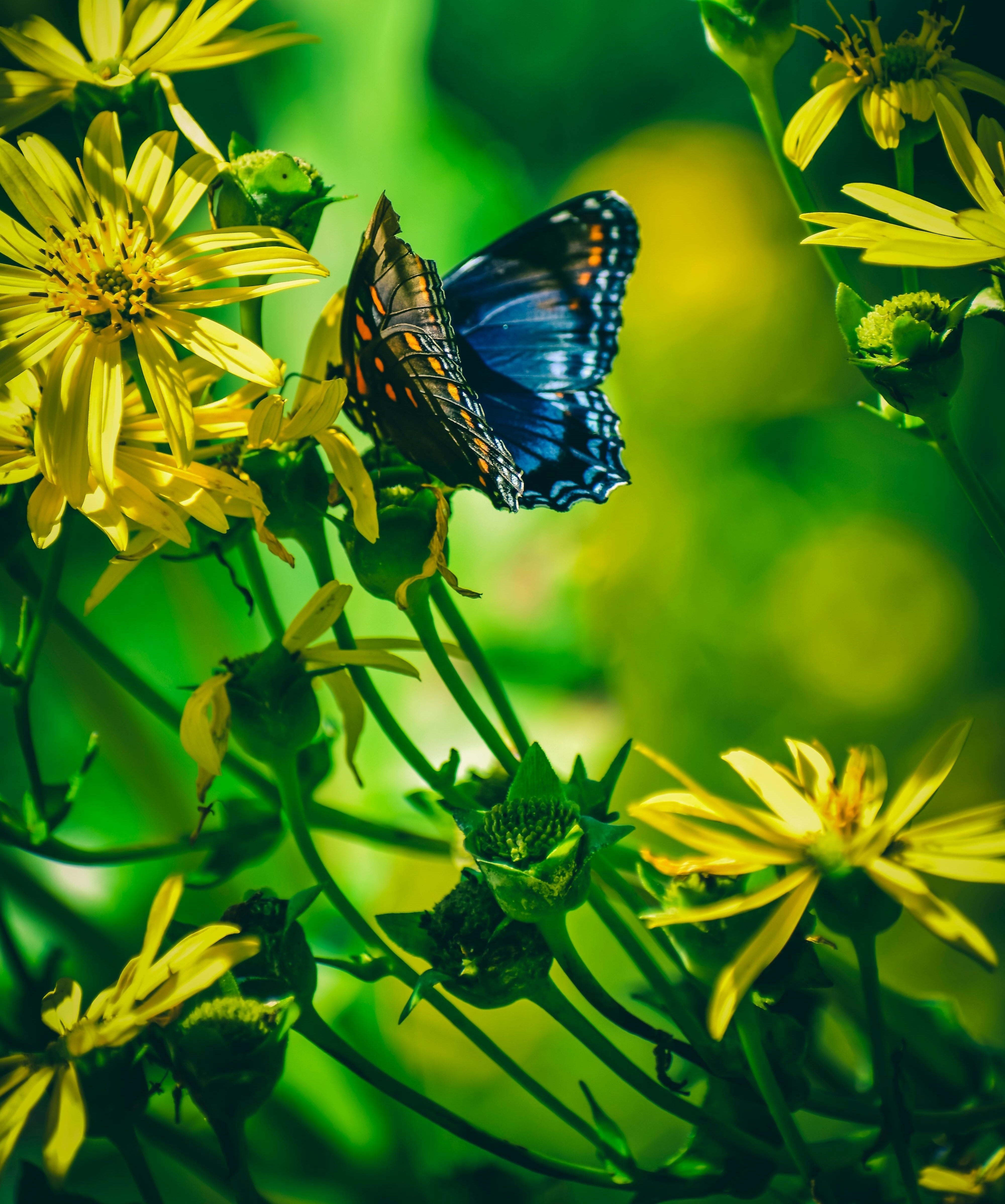
Supporting Natural Pollination
Comprehensive Pollinator Support Solutions
Our pollinator support services focus on protecting and enhancing populations of bees, butterflies, birds, and other beneficial insects essential for healthy ecosystems and productive agriculture. By creating pollinator-friendly habitats, planting native flowering species, and reducing harmful chemical use, we help farms strengthen natural pollination processes. These strategies improve crop yields, enhance biodiversity, and support resilient ecosystems. Our team provides guidance, training, and resources to help farmers and landowners integrate pollinator-supportive practices into their operations for long-term environmental and agricultural sustainability.
Service Benefits
Key Benefits of Pollinator Support
Improved Pollination
Supporting bees, butterflies, and other pollinators enhances natural pollination across crops. Improved pollination increases fruit set, crop quality, and yields while strengthening plant reproduction and farm productivity in a sustainable way.
Stronger Crop Resilience
Healthy pollinator populations promote diverse plant growth and genetic strength. This diversity helps crops better withstand pests, diseases, and environmental stress, reducing reliance on chemical inputs and improving long-term farm stability.
Balanced Ecosystems
Creating pollinator-friendly habitats supports ecological balance across farmland. These practices enhance biodiversity, improve soil and plant health, and maintain resilient ecosystems that benefit agriculture and the surrounding environment.
Service Expertise
Pollinator Support Insights
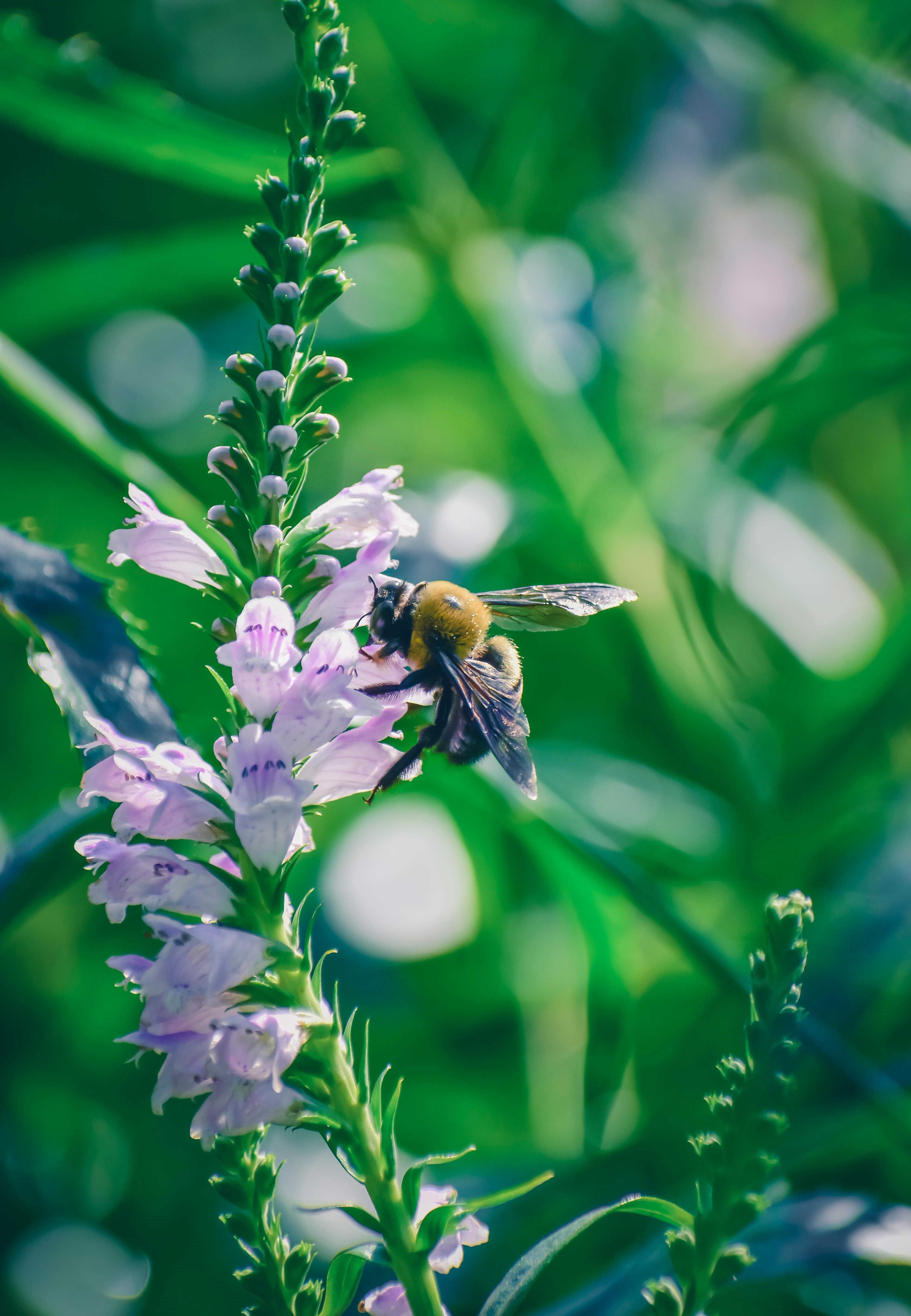
Our pollinator support solutions focus on protecting, enhancing, and sustaining populations of bees, butterflies, and other beneficial insects essential for healthy ecosystems. By combining habitat enhancement, flowering diversity, and pollinator-safe practices, we help farmers and landowners build resilient agricultural systems that naturally improve crop productivity and biodiversity.
Pollinator Habitat Creation
Creating flowering strips, native plants, and nesting areas to provide food and shelter for pollinators, ensuring year-round presence.
Pollinator-Safe Farming Practices
Reducing chemical use and applying integrated pest management methods to protect beneficial insects while maintaining protection.
Enhancing Crop Pollination
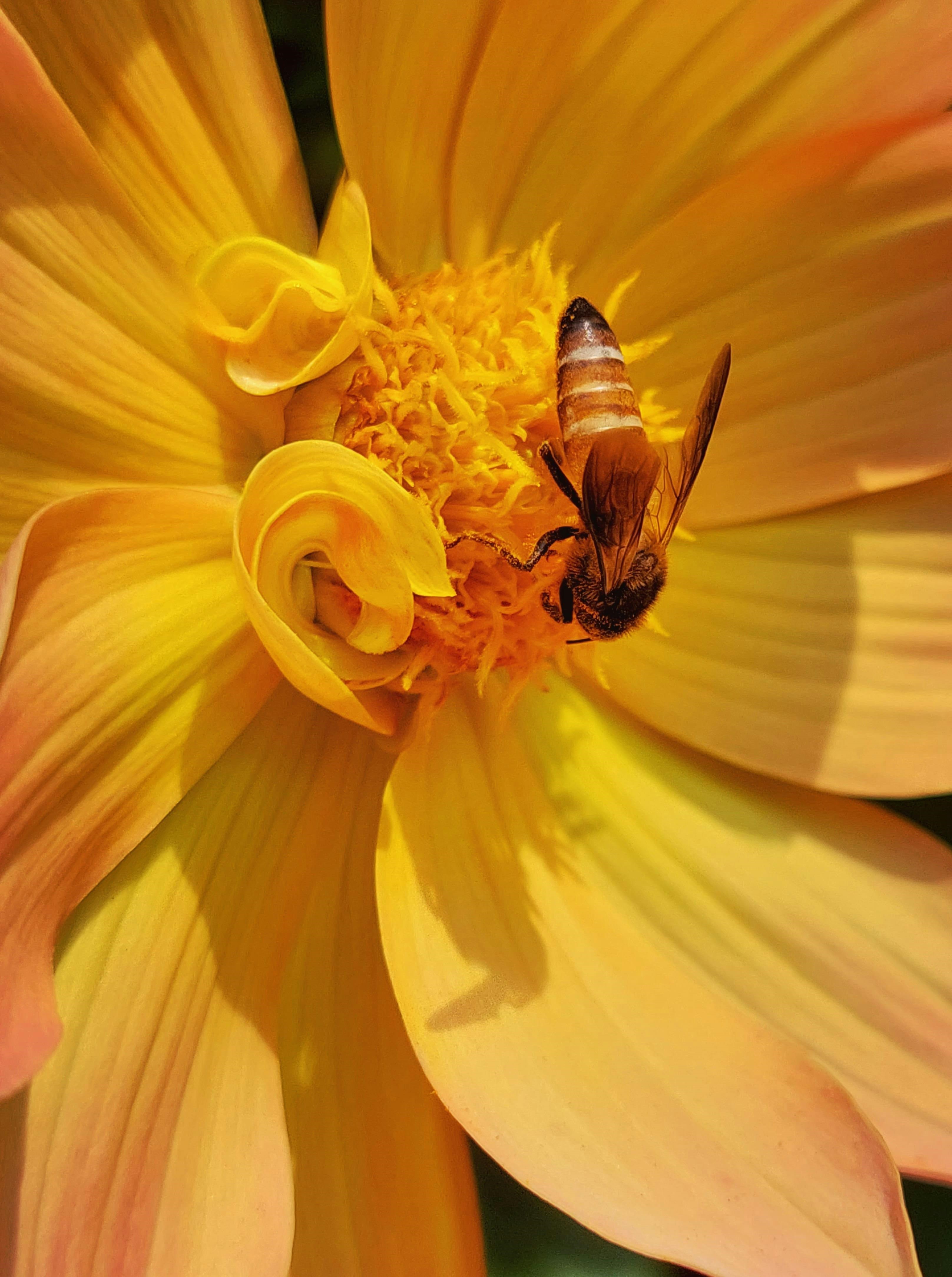
Supporting diverse pollinator populations to improve natural pollination, increase crop quality, and ensure stable long-term yields.
Key Insights
Strengthening Pollinator Support Systems
Our pollinator support solutions are designed to protect beneficial insects, enhance biodiversity, and strengthen ecosystem health across agricultural landscapes. By establishing pollinator-friendly habitats, increasing flowering diversity, and promoting pollinator-safe practices, we help farms improve natural pollination, boost crop productivity, and maintain ecological balance. These strategies support long-term sustainability, protect vital pollinator species, and provide practical guidance for integrating pollinator support into diverse farming systems.
- Creates pollinator-friendly habitats using native plants and flowering strips.
- Encourages pollinator-safe farming practices to protect beneficial insects.
- Enhances flowering diversity to provide consistent food sources throughout the season.
- Improves natural crop pollination, leading to higher yields and better quality produce.
- Supports long-term biodiversity and ecosystem resilience across agricultural systems.
Pollinator Support FAQ
Answers to Your Top Questions
Discover how pollinator support practices help protect beneficial insects, enhance biodiversity, and improve crop pollination. This FAQ covers practical strategies such as habitat creation, flowering diversity, and pollinator-friendly farming practices to build resilient and sustainable agricultural systems.