
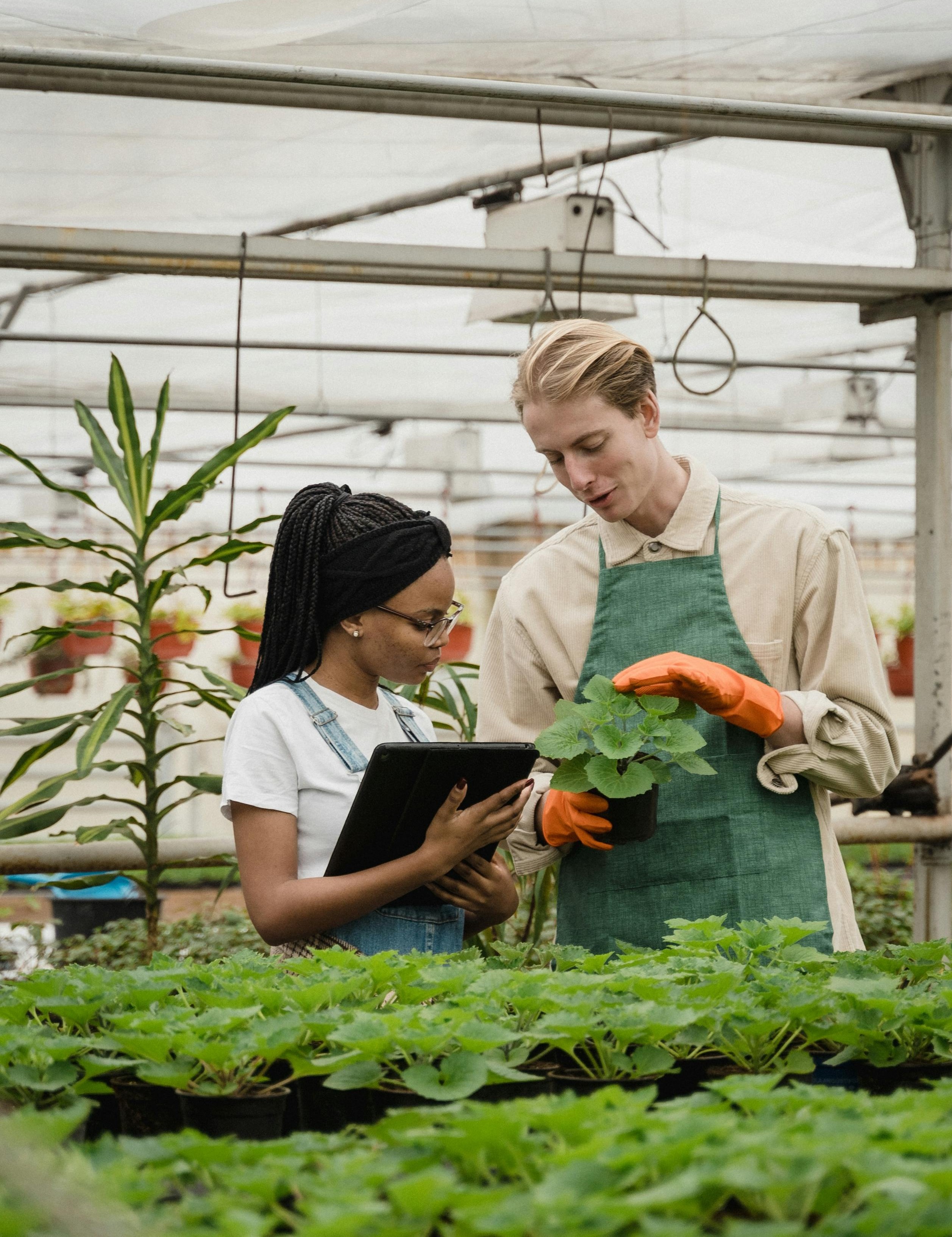
Growing with Nature
Comprehensive Organic Farming Solutions
Our organic farming services empower farmers to cultivate crops in harmony with nature, enhancing soil fertility, water conservation, and biodiversity. By integrating traditional knowledge with modern eco-friendly practices, we help create resilient and productive agricultural systems. From planning crop rotations to implementing natural pest management techniques, our solutions improve yield quality, reduce chemical dependency, and ensure sustainable growth. We also provide guidance, training, and resources to support farmers in building long-term, environmentally responsible farming operations. Additionally, we focus on regenerative practices that restore soil health over time, promote carbon sequestration, and enhance ecosystem services such as pollination and natural pest control.
Service Benefits
Key Benefits of Organic Farming
Enhanced Soil Health
Organic practices improve soil structure, nutrient content, and microbial diversity, resulting in fertile land that supports sustainable crop growth year after year. By carefully incorporating crop rotations, composting, and natural soil amendments, we ensure long-term soil fertility, enhanced biodiversity, and reduced dependency on chemical fertilizers.
Eco-Friendly Practices
By reducing chemical inputs and supporting biodiversity, our solutions help protect natural ecosystems, conserve water, and maintain a healthy environment for future generations. Practices like natural pest management, habitat creation for pollinators, and sustainable water management further enhance environmental stewardship and resilience of farms.
Economic Sustainability
Supporting farmers with market access, higher crop quality, and cost-effective organic practices ensures long-term profitability and resilient livelihoods. By promoting value-added crops, organic certification, and efficient resource management, we help farming communities achieve financial stability and build resilient agricultural businesses for the future.
Service Expertise
Organic Farming Insights
Our organic farming solutions are designed to improve soil fertility, enhance biodiversity, and ensure sustainable, productive agriculture. By combining modern sustainable techniques with traditional farming knowledge, we support farmers in creating resilient and profitable agricultural systems.
Regenerative Soil Practices
Adopting regenerative techniques such as cover cropping, compost enrichment, and natural fertilization to restore soil vitality.
Sustainable Crop Management
Utilizing eco-friendly pest control, crop rotation, and biodiversity support to maintain healthy, resilient, and high-yield farming systems.
Farmer Development & Support
Providing practical guidance, training programs, and market access initiatives to empower farmers and strengthen community resilience.
Key Insights
Maximizing Benefits of Organic Farming
Our organic farming solutions are designed to improve productivity, maintain environmental balance, and create sustainable growth. By leveraging nature-based techniques and practical guidance, farmers can achieve healthy crops, better soil, and resilient ecosystems. We focus on implementing regenerative practices such as crop rotation, compost enrichment, and natural pest management to enhance soil fertility and biodiversity. Additionally, our approach supports efficient water use, reduces chemical dependency, and strengthens local farming communities through knowledge sharing, training, and access to sustainable resources. Ultimately, our goal is to create long-term, eco-friendly agricultural systems that are both productive and socially responsible.
- Enhances soil fertility naturally for long-term productivity.
- Reduces chemical dependency and supports biodiversity.
- Promotes water conservation and efficient resource management.
- Improves crop resilience against pests and climate changes.
- Strengthens farmer knowledge and community engagement.
Organic Farming FAQ
Answers to Your Top Questions
Discover how organic farming methods can transform your agricultural practices. From soil enrichment to eco-friendly pest management, our FAQ addresses key insights that help farmers adopt sustainable and productive organic techniques. Learn practical strategies for improving soil health, conserving water, enhancing biodiversity, and empowering farming communities while maintaining long-term sustainability.